
































So I was thinking about yield farming the other day—yeah, that buzzword that gets thrown around like confetti at a crypto party. But here’s the thing: the whole experience really hinges on your wallet. Seriously, if you’re diving into Solana’s DeFi scene without a secure, user-friendly wallet, you’re setting yourself up for headaches, or worse. I mean, it’s not just about holding tokens; it’s about seamless staking, quick swaps, and avoiding those gnarly gas fees that can eat your gains.
Now, I’m biased, but my instinct says that the solflare wallet nails this balance really well. It’s not just a random recommendation—it’s about how it fits into the ecosystem, especially for folks who want to farm yields without jumping through hoops or risking their assets.
Whoa! Yield farming can feel like a rollercoaster. One minute you’re raking in sweet APYs, the next you’re wondering if you just lost your shirt. The stakes are high, and the tools you use matter a lot.
Let me walk you through why the wallet factor often gets overlooked but is actually a game-changer for anyone serious about Solana DeFi.
First off, yield farming isn’t just “lock your coins and wait.” It’s an active juggling act involving staking, swapping, and sometimes quick exits. And if your wallet lags or isn’t integrated well with key protocols, you’ll lose precious time—and money.
On one hand, you want a wallet that’s secure and non-custodial. But on the other, it has to be intuitive enough so you don’t feel like you’re hacking into Fort Knox every time you check your balance. Sounds like a tall order, huh? Actually, wait—let me rephrase that: finding that sweet spot is rare, but the solflare wallet comes pretty close.
Here’s what bugs me about some wallets—they either overcomplicate things or skimp on security. Users get frustrated, make mistakes, and bam! Funds gone. I’ve been there, and trust me, it sucks.
Okay, so check this out—what makes the solflare wallet stand out is its native Solana integration, plus features tailored to DeFi and staking. You can stake SOL directly, interact with multiple protocols, and even manage NFTs—all without leaving the wallet interface. That’s convenience that’s hard to beat.
Something felt off about early wallets I tried; they were clunky or didn’t support all Solana’s DeFi gems. But solflare’s extension blends right into your browser workflow and feels pretty snappy. It’s like having a Swiss Army knife for everything Solana-related.
Why does this matter for yield farming? Because timing is everything. When a new pool pops up with insane APRs, you want to jump in fast. A wallet that slows you down or crashes means missed opportunities—or worse, getting stuck in a bad position.
Yield farming itself can be a bit of a wild west. New protocols spring up every week, some legit, some downright shady. So using a wallet that’s widely recognized and trusted in the community helps you avoid the sketchy stuff. The solflare wallet has built a solid rep in that regard, which is reassuring.
Hmm… I remember when I first started staking on Solana, I fumbled around with a wallet that wasn’t optimized for DeFi. Transactions took forever, and fees—even though modest—added up. Switching to solflare felt like upgrading from a bumpy dirt road to a smooth highway.
Now, I’m not 100% sure if solflare is perfect—no wallet is—but the ongoing updates and community feedback show they’re serious about improving. Plus, the extension is easy to set up, which is a big plus for folks just getting into yield farming.
By the way, if you’re juggling multiple DeFi protocols, managing all those tokens can get messy fast. The solflare wallet’s interface helps keep things organized without making you feel like you need a PhD in crypto.
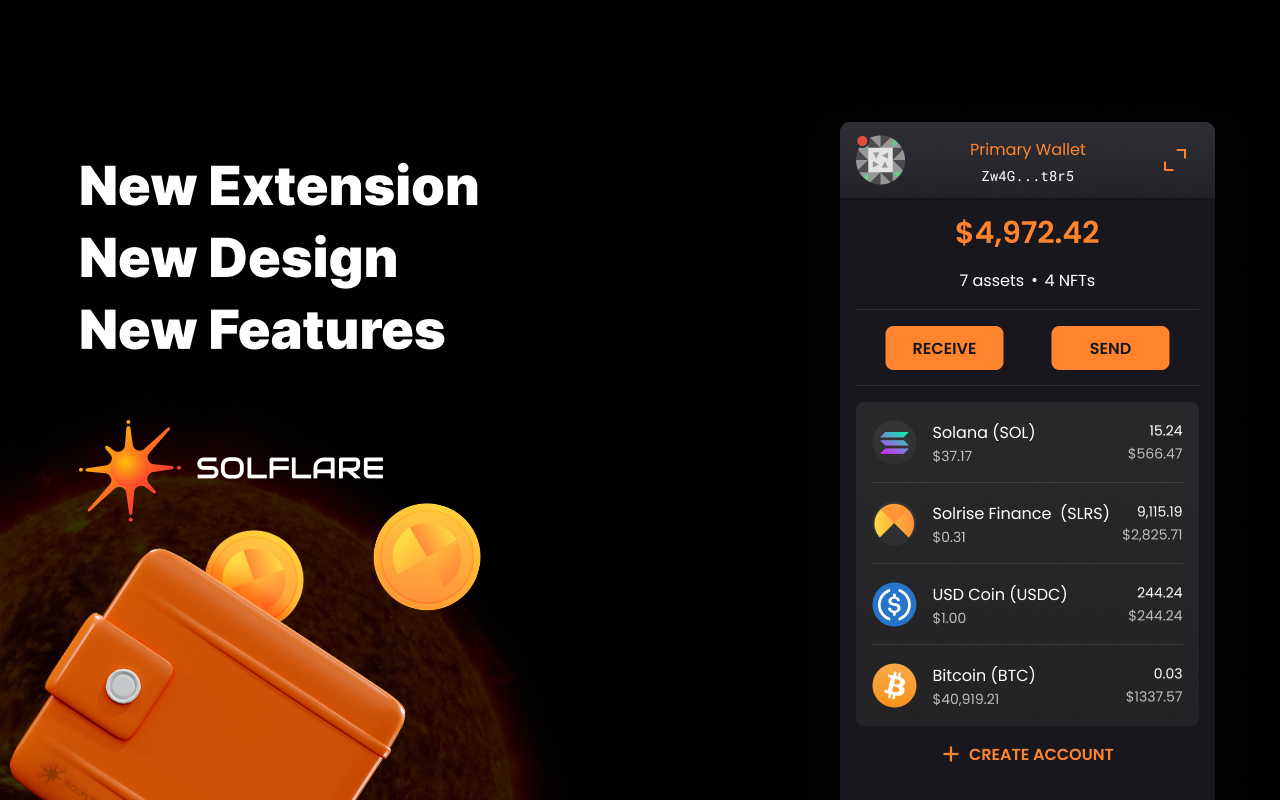
Let’s talk security for a sec. Yield farming means locking up assets, often for extended periods. You want to be sure your wallet’s private keys are well-guarded. The solflare wallet stores keys locally, never on a server, which means you’re in control. That’s a subtle but very important distinction that sometimes gets glossed over.
Oh, and by the way, solflare supports hardware wallet integration too, like Ledger. That extra layer is a must-have for serious farmers who want to keep their crypto offline but still interact with DeFi protocols.
Thinking about the bigger picture, the Solana network’s speed and low fees complement the solflare wallet’s functionality perfectly. You avoid the gas wars that plague Ethereum, which means your yield farming strategy isn’t constantly eaten up by transaction costs. That’s really where the magic happens.
One thing I’ve noticed is that the user experience keeps evolving. Initially, I thought wallets were just wallets—simple storage tools. But with DeFi’s complexity growing, wallets like solflare are becoming full-on DeFi hubs. They’re not just passive safes anymore.
Seriously? Yeah, it’s wild how fast this space moves. One minute you’re just holding tokens, next you’re actively managing liquidity, monitoring yields, and swapping on the fly. Your wallet has to keep up.
My gut feeling says that ignoring the wallet selection step is a rookie move. It’s like trying to drive a racecar with flat tires. You might get somewhere, but not without trouble.
For anyone deep into Solana yield farming, the ease of staking directly through your wallet, quick access to liquidity pools, and seamless token management are very very important. It’s not just convenience—it’s part of your overall strategy to maximize returns and minimize risk.
Here’s another thing: the community around a wallet matters too. Solflare has a solid user base and developer support, which means bugs get fixed, features added, and security patches rolled out regularly. That ongoing support can make or break your DeFi journey.
On one hand, you could jump on a shiny new wallet that promises the moon but lacks real-world backing. Though actually, sticking with a tried-and-true option like solflare might save you a lot of headaches.
And hey, if you’re wondering how to get started, the solflare wallet extension is fairly straightforward to install and use. For the curious, you can find it easily online—just search for the solflare wallet extension and you’ll be good to go.
Honestly, the biggest barrier I see for newcomers is the overwhelming options and fear of messing up. A wallet that simplifies the process while offering robust DeFi capabilities can ease that anxiety a lot.
One last thing I want to toss out there—yield farming isn’t a set-it-and-forget-it deal. Protocols change, APYs fluctuate, and your wallet needs to be agile. Solflare’s interface helps you stay on top of these changes without feeling lost in the weeds.
Yeah, there are newer wallets coming up, but the combination of security, usability, and Solana-specific features in solflare gives it staying power.
So, if you’re in the Solana ecosystem and serious about yield farming or DeFi, don’t overlook your wallet choice. It’s the unsung hero—or villain—in your crypto adventure.
Anyway, that’s my two cents. I’m still learning every day, but the wallet definitely shapes how you experience yield farming. Try the solflare wallet and see if it clicks with your style.
